


How Every Generation Can Thrive With Digital Skills?

In an era defined by rapid technological advancement, digital skills have transitioned from optional competencies to essential capabilities that enable individuals to fully participate in society, at work, and in their personal lives. From basic device navigation and online communication to advanced problem-solving in digital environments, these skills influence how individuals learn, earn, and connect. Although younger generations are often assumed to possess a natural fluency with technology, digital literacy varies widely across cohorts and contexts; broad, intentional efforts to nurture these skills from youth through older adulthood are critical to personal and societal wellbeing. Recent research and policy discussions emphasize that without inclusive digital skill development, disparities will grow across generations, leaving many behind in an increasingly digital world.
Digital skills are typically defined as abilities to access, evaluate, and utilize digital technologies to perform tasks effectively—whether for communication, education, work, or everyday transactions. These competencies encompass a range of activities, including managing digital information, interacting with online services, communicating via digital platforms, creating content, and ensuring online safety. According to data from the European Union, only 56 percent of citizens aged 16–74 had at least basic digital skills in 2023, highlighting gaps that persist even among working-age populations. [1] The gap is broader when education levels and age are considered, demonstrating that digital inclusion is far from universal. Younger cohorts often display strong comfort with consumer technologies, yet their proficiency with deeper digital literacy skills—such as critical evaluation and online safety—can also vary substantially. Older adults, meanwhile, face distinct barriers to acquiring and applying digital competencies, despite the critical role these skills play in their ability to participate fully in social and economic life.
Digital Skill Needs and Opportunities Throughout the Lifespan
Digital skill development is relevant at every stage of life, though the nature and context of learning evolve with age and individual goals. For children and younger learners, early exposure to digital technologies can support educational achievement and prepare them for future labor market demands. Schools and educational systems increasingly integrate technology into curricula, recognizing that access to digital learning tools and foundational digital literacy is foundational to academic success and future employability. However, even within younger cohorts, access and instructional quality can vary, with some students reporting limited exposure to comprehensive digital skill instruction. This suggests that equating youth with automatic digital proficiency oversimplifies the varied experiences and competencies within these populations.
For adults in the workforce, digital skills are central to adapting to changing employment landscapes. Economic analyses reveal that as industries evolve, job roles increasingly require digital competencies for everything from basic communication to data analysis and digital collaboration. Older workers, in particular, face both increased demand and unique challenges in this context. In the United States, for example, the proportion of workers aged 55 and older has risen substantially, yet many older workers still exhibit lower digital skill levels compared with younger cohorts. Enhanced digital literacy among older workers correlates with better employment opportunities and earnings, illustrating that closing the skills gap has tangible economic benefits. [2] Moreover, addressing the digital skills gap for older workers not only improves individual prospects but also contributes to broader labor market resilience as populations age.

Beyond workforce participation, digital skills shape how individuals engage with everyday services and life activities. For older adults, technology can facilitate access to healthcare services through telehealth, support financial management via online banking, and enable social connection through digital communication platforms. Research indicates that higher digital literacy among older populations is associated with enhanced quality of life, driven by increased self-efficacy, better access to health information, and expanded opportunities for social engagement. [3] However, many older adults encounter barriers to digital adoption, such as fear of online fraud, lack of tailored training, and interface designs that do not account for their needs. These factors contribute to what is often referred to as the grey digital divide—the separation between digital haves and have-nots within older cohorts.
Efforts to support digital learning in adulthood must also acknowledge the unique challenges and motivations present at different life stages. For mid-career adults, digital upskilling can be a strategic investment in career development, enabling transitions to new roles or industries that leverage emerging technologies. For older individuals no longer in the workforce, digital literacy can sustain social participation and cognitive engagement, counteracting isolation and enhancing overall wellbeing. Educational programmes designed for older learners benefit from an emphasis on relevance and connection to participants’ lived experiences. Research suggests that effective digital instruction for older adults resonates with their existing values and everyday needs, such as connecting with family or accessing health information, fostering more successful integration of digital skills into their lives.
While the digital skill disparities across generations are well documented, so too are opportunities for reciprocal learning and collaboration. Intergenerational learning approaches—where younger and older individuals learn from one another—promote not only skill development but also social cohesion. These learning partnerships leverage the strengths that different age groups bring: younger people may be adept at navigating new interfaces and technologies, while older adults contribute life experience and contextual understanding that enrich mutual learning. Such models can help to bridge digital divides and foster empathy across age groups, reinforcing that digital literacy is not the sole domain of any single generation.
Strategies to Stay Digitally Relevant at Every Age
Maintaining and advancing digital skills across the lifespan requires intentional strategies that align with evolving technological landscapes and individual aspirations. Foundational to this effort is the principle of lifelong learning—a commitment to continuous skill development that transcends traditional schooling and workplace training. Global education frameworks emphasize the importance of embedding lifelong learning into societal structures so that opportunities for skill development are accessible to people regardless of age, background, or circumstance. A lifelong learning mindset encourages individuals to view learning as an ongoing pursuit, where adapting to change and acquiring new competencies are part of daily life.
At the individual level, engaging with digital technologies regularly and purposefully supports skill maintenance and growth. Activities as simple as setting up online appointments, exploring new communication platforms, or engaging with educational content can reinforce digital confidence. Structured learning opportunities—such as online courses, webinars, and community workshops—offer guided pathways to deepen understanding of specific tools or concepts. For older adults, community-based programmes offered through libraries, senior centers, or nonprofits can provide tailored instruction and social support, reducing barriers to participation and building confidence.
Workplaces also play a critical role in supporting digital upskilling across adult age ranges. Employers can invest in continuous learning programmes that help workers adapt to evolving digital requirements, incorporate new tools into workflows, and develop advanced competencies that sustain employability. Flexible learning formats—such as microlearning modules or peer mentoring systems—can accommodate diverse learning preferences and schedules. These practices not only enhance individual capability but also create organizational cultures that value learning, innovation, and adaptability.
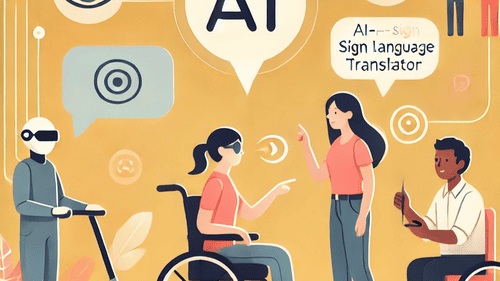
Critical to all efforts to broaden digital skills is the recognition that technology adoption should be inclusive, equitable, and responsive to learners’ contexts. This involves not only providing access to training resources but also ensuring that technologies themselves are accessible and user-friendly for diverse populations. For older adults and individuals with disabilities, design considerations such as simplified interfaces, accessibility features, and clear instructional materials can significantly reduce frustration and accelerate skill acquisition. Collaboration between policymakers, educators, technology developers, and community stakeholders is essential to create environments where every learner—regardless of age—can thrive in a digital world. [5]
The digital era offers unprecedented opportunities for learning, connection, and growth. Ensuring that individuals of all ages can access and benefit from digital skills is not only a matter of personal empowerment but also a social imperative. By embracing lifelong learning, encouraging intergenerational cooperation, and investing in inclusive education strategies, societies can help learners stay relevant and capable at every age, fostering resilient communities prepared to navigate the future.
Sources:
[1]: https://ec.europa.eu/eurostat/statistics-explained/SEPDF/cache/124994.pdf
[2]: https://www.urban.org/sites/default/files/publication/104771/digital-skills-and-older-workers_0.pdf
[3]: https://www.nature.com/articles/s41598-025-04472-9
[4]: https://www.unesco.org/en/articles/fostering-culture-lifelong-learning-digital-era
[5]: https://sustainability-directory.com/intermediate/digital-intergenerational-equity-intermediate
References:
https://www.sciencedirect.com/science/article/abs/pii/S0167494322000760
https://epale.ec.europa.eu/en/blog/intergenerational-learning-and-media-literacy
https://link.springer.com/article/10.1186/s12889-025-23377-w
https://www.csis.org/analysis/digital-literacy-imperative
Recommended for you: