


The Core Skills Shaping Careers in 2026

As we approach 2026, the landscape of work continues to transform faster than many professionals initially anticipated. The integration of artificial intelligence, cloud platforms, data systems, and digital ecosystems in almost every industry has made digital fluency not just desirable but imperative for career advancement. This evolution is not limited to technical roles alone; employers are seeking individuals who combine digital capabilities with human judgment and creativity to solve complex problems and drive organizational growth. Across sectors such as technology, marketing, finance, and healthcare, digital intelligence — the ability to understand, use, and innovate with digital tools — is emerging as a foundational competency.
Artificial Intelligence and Machine Learning
Digital intelligence encompasses a broad array of technical skills that prepare professionals to contribute effectively in a technology-driven market. Foremost among these is proficiency with artificial intelligence and machine learning. As AI moves beyond niche applications into mainstream business operations, professionals who can implement, optimize, or even simply collaborate with AI systems will be in high demand. For example, understanding how to manage generative AI workflows, engage in prompt engineering, and apply ethical AI principles are becoming core expectations across roles far beyond software development. Employers recognize that AI literacy and data fluency are quickly rising to the level of fundamental workplace skills akin to what basic computer proficiency represented in previous decades. Mastery of these competencies enables individuals to automate routine tasks, extract insights from large datasets, and enhance decision-making processes. [1]

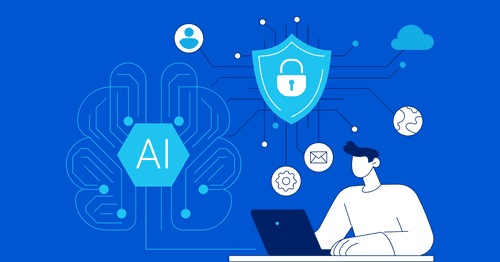
Complementary to AI expertise is the need for robust capabilities in data science, analytics, and interpretation. The ability to collect, analyze, and derive actionable insights from data empowers professionals to make smarter business decisions and supports strategic initiatives. Tools like SQL, Power BI, Tableau, and cloud-based analytics platforms are increasingly ubiquitous, and familiarity with them signals that a candidate can contribute to data-driven decision environments. Closely related to data proficiency is cybersecurity awareness, a skill area that continues to escalate in significance as digital threats proliferate. Companies across all domains now treat cybersecurity as an organizational priority, and professionals with the ability to design risk mitigation strategies, manage secure environments, and respond to incidents will remain essential.
Cloud computing and platform skills further expand the digital intelligence framework. Cloud services like Amazon Web Services (AWS), Microsoft Azure, and Google Cloud underpin global digital infrastructure, enabling remote collaboration, scalable applications, and modern workflows. Financial institutions, retail businesses, entertainment platforms, and healthcare providers are among the many industries that rely on cloud architectures to deliver services efficiently and securely. Understanding cloud fundamentals, container orchestration tools (such as Docker and Kubernetes), and DevOps practices positions professionals as valuable contributors to digital transformation initiatives. Similarly, software and full-stack development skills remain highly sought after as organizations continue building custom applications, enhancing user interfaces, and integrating complex backend systems.

Emerging digital fields — such as blockchain technology and Internet of Things (IoT) systems — also play a significant role in shaping the future workforce. Blockchain extends beyond cryptocurrency applications into areas like supply chain transparency and secure digital contracts, creating opportunities for professionals versed in decentralized systems and smart contracts. IoT, meanwhile, connects the physical and digital worlds, enabling intelligent devices and environments that improve operational efficiency and generate new data streams. Although still evolving, competence in these areas will distinguish individuals who are ready to lead innovation in cutting-edge domains. [2]
Human-Centric Digital Competencies: Blending Tech with Strategic and Creative Intelligence
While technical digital skills are crucial, they are only part of the equation. Employers in 2026 are looking for professionals who can bridge the gap between technical expertise and human-centered impact. This requires a set of human-centric competencies that amplify the value of digital capabilities. Critical thinking, problem-solving, and adaptability remain indispensable as automation takes over routine tasks. These skills enable individuals to interpret complex digital outputs, question assumptions, and craft innovative solutions rather than merely execute pre-programmed processes. In essence, the ability to guide AI and digital systems with strategic judgment becomes a competitive advantage.
Communication and collaboration skills also carry significant weight. As workplaces adopt hybrid models and geographically dispersed teams become commonplace, professionals must articulate complex ideas clearly across diverse platforms and audiences. Whether translating data insights into executive briefings or coordinating project deliverables via digital collaboration tools, communicators who can navigate both technical and interpersonal contexts will stand out. This communication proficiency goes hand in hand with emotional intelligence — the capacity to foster trust, resolve conflict, and lead effectively even in virtual settings.

Adaptability and lifelong learning form another dimension of human-centric digital competencies. Rapid technological change means that the half-life of knowledge is shortening; what is cutting-edge today may be standard practice tomorrow. Professionals who demonstrate a commitment to continuous upskilling, curiosity about emerging tools, and the resilience to pivot when industries evolve are more likely to maintain long-term career momentum. Micro-credentials, professional certifications, and participation in communities of practice are ways individuals signal their growth-orientation to potential employers. [3]
Creativity and innovation further differentiate high-impact professionals. As digital processes standardize many analytical workflows, creative thinking becomes a premium skill that machines cannot replicate fully. Generating original ideas, reimagining business models, and developing compelling digital experiences — such as user interface designs or immersive content campaigns — require a combination of artistic insight and technical understanding. In fields like digital marketing and user experience (UX) design, where engaging audiences and enhancing customer journeys are vital, this blend of creativity and digital proficiency is particularly valuable.
Finally, integration of digital skills with ethical awareness ensures that technology enhances rather than undermines organizational values. Responsible use of AI, respect for data privacy, and commitment to equitable digital practices protect users and companies from reputational and legal risks. As digital transformations accelerate, the professionals who anticipate societal impacts and design technology solutions with ethical considerations in mind will lead with integrity and long-term vision. [4]
Sources:
[1]: https://future-street.com/blog/top-skills-employers-will-look-for-in-2026
[2]: https://www.jaroeducation.com/blog/top-10-it-skills-in-demand-in-2026-for-career-growth
[3]: https://eduwise.org.uk/top-5-skills-employers-look-for-in-2026s-job-market
[4]: https://timesofindia.indiatimes.com/eduction/news/5-future-proof-skills-harvard-says-will-outlast-ai/photostory/124359381.cms
Reference:
https://www.linkedin.com/posts/mukesh-gautam-46448025_the-top-5-tech-skills-in-demand-for-2026-activity-7388858638980861952-6XCU
Recommended for you: