


The Rise of Predictive AI That Understands Needs Before They’re Voiced
The Paradigm Shift: From Reactive to Predictive Experiences
In the evolving landscape of digital interaction, artificial intelligence is no longer confined to executing commands after they’re issued. Predictive AI signifies a fundamental shift toward systems that analyze data, recognize patterns, and proactively serve human needs before users make explicit requests. This shift, often referred to as anticipatory design or predictive user experience, is reshaping how products, services, and interfaces operate in virtually every domain where humans interact with technology.
Traditional digital systems wait for user input—the click, the typed query, the explicit instruction. These systems function reactively: users express intent, and the system responds. Predictive AI, by contrast, anticipates intent by continuously learning from user behavior, contextual signals, and historical patterns. Predictive interfaces take into account past interactions, real-time data, and environmental context to deliver proactive assistance, recommendations, and optimized workflows. This transition is evident in common experiences users now take for granted: search engine autocomplete predictions that finish phrases before they are fully typed, music and media recommendations tailored to individual tastes, and navigation systems that suggest routes based on habitual travel patterns even before a destination is entered. [1]
Anticipatory design rests on several core principles. First, systems gather and analyze massive volumes of user data, encompassing past behaviors and preferences as well as contextual signals such as time, location, and environmental conditions. Machine learning models process this data to identify recurring patterns, enabling the computation of probable future actions. Second, predictive mechanisms dynamically adjust content, interfaces, and functionality in real-time to align with these computed expectations. Third, this approach prioritizes user experience by automating routine tasks, reducing cognitive load, and streamlining decision-making processes for the user. [2]
In commercial and consumer environments, predictive AI is already delivering tangible value. Streaming services like music and video platforms leverage predictive analytics to curate personalized playlists or movie suggestions that feel tailored to the user’s mood or preferences. E-commerce sites preemptively recommend items based on a customer’s browsing history and seasonal patterns, often increasing engagement and conversions because users are presented with what they likely want before they explicitly search for it. Fintech and banking applications, similarly, can analyze spending behavior to flag potential overdrafts or suggest saving strategies, effectively helping users manage their finances with minimal manual input.
This anticipatory approach extends beyond user interfaces and digital experiences into broader ambient intelligence—the design of environments with embedded AI capabilities that sense, infer, and adapt to occupant needs. Ambient intelligence systems, for example, tailor physical environments such as smart homes or workplaces to human preferences with minimal direct user intervention. They might adjust lighting, temperature, or acoustics based on patterns of use, ultimately offering comfort and convenience without explicit commands. The core characteristics of ambient intelligence include context awareness, personalization, and proactive adaptation—cornerstones of predictive AI ecosystems.
Tools and Techniques Powering Predictive Intelligence
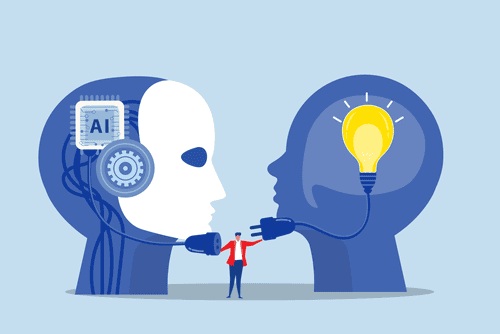
The development of predictive AI systems requires an intricate blend of technologies, analytic models, and data strategies. At the heart of these systems are machine learning algorithms that identify patterns from historical and real-time data. These models can range from simple classification tasks that anticipate user preferences to complex neural networks that forecast sequences of user actions. Predictive analytics frameworks, including time-series analysis and sequence prediction models, enable systems to generate forecasts that inform proactive adjustments in system behavior. [3]
Modern predictive AI is not confined to surface-level suggestions; it also informs deeper adaptations in systems architecture and user-interface design. Adaptive user interfaces, for instance, adjust the layout or content presentation based on evolving user behavior. Where traditional UI design expects users to adapt to static interfaces, adaptive interfaces evolve continuously, delivering personalized experiences that accommodate individual usage patterns. Reinforcement learning and continuous learning models further refine this adaptability by allowing systems to adjust to user feedback over time, making predictions more accurate and personalized as data accumulates.
One compelling example of research-driven predictive intelligence comes from recent academic work on hyper-adaptive predictive sequencing. These models train systems to anticipate the next probable action a user might take in a complex software environment. By modeling cognitive states and sequencing predictions with high accuracy, these predictive systems can provide real-time assistance within development tools or enterprise applications, significantly enhancing productivity and reducing friction. Although such research remains at the leading edge, it illustrates the potential for predictive systems to transform specialized software workflows.
Beyond user interface predictions, predictive AI also plays a crucial role in operational efficiency and infrastructure optimization. For example, predictive comfort systems in smart buildings use machine learning to optimize environmental factors such as heating, lighting, and air quality based on anticipated occupancy patterns and user comfort levels. These systems combine sensor data, behavioral predictions, and reinforcement algorithms to orchestrate multi-sensory climate control in a manner that reduces energy consumption while enhancing occupant experience. [4]
In commercial environments like customer service and marketing, AI agents leverage predictive analytics to anticipate customer needs and intervene proactively. In banking, predictive models can identify emerging account issues and trigger targeted communication before a customer becomes aware of a problem. In retail, AI agents deploy predictive insights at scale to enhance personalization, delivering recommendations or offers based on dynamic assessments of buyer behavior across large audiences. These applications illustrate how predictive intelligence augments human-centric services with anticipatory responsiveness that feels immediate and contextually relevant.
The integration of predictive AI into digital products also intersects with strategic business imperatives. For leadership teams and product managers, anticipating user needs can become a competitive differentiator. Predictive accessibility forecasting, for example, has evolved beyond compliance checklists to become a signal that determines how content and services are prioritized for individual users within large language model (LLM) interfaces. Systems that can forecast accessibility needs in real-time are increasingly embedded into product experiences, reflecting a broader trend where predictive signals shape not only UX but also discovery and content ranking mechanisms.
However, the deployment of predictive systems is not without challenges. Anticipatory design requires careful handling of user privacy and trust. Systems that predict deeply personal preferences or behaviors risk alienating users if transparency and control are insufficient. In sensitive domains like finance or health, clear communication about data usage and robust opt-out mechanisms are critical to maintain trust. Similarly, predictive models must be resilient to edge cases that deviate from normal patterns to avoid delivering irrelevant or counterproductive suggestions. Despite these hurdles, the evolution of predictive AI continues to push toward more intuitive, proactive, and human-centered digital experiences.
Predictive AI Across Industries and Everyday Tools
Predictive AI influences a wide range of industries and application contexts, demonstrating its versatility and transformative potential. In media and entertainment, streaming platforms use predictive modeling to increase engagement and tailor content distribution, while in transportation, ride-sharing and navigation services anticipate traveler needs by analyzing habitual movement patterns. In healthcare and wellness, predictive systems can suggest preventive actions or wellness reminders based on biometric data, illustrating how anticipatory intelligence can extend beyond convenience to impact wellbeing.
Retailers harness predictive insights to optimize inventory and forecast demand, ensuring that products are available in the right place and at the right time. Manufacturing entities apply predictive analytics for preventative maintenance, analyzing machine data to anticipate failures before they cause downtime. Financial institutions depend on predictive models to detect fraud by flagging anomalous activity based on learned spending patterns. Across these varied use cases, the underlying theme is the same: AI systems that anticipate needs enable more efficient, responsive, and personalized operations. [5]
In consumer-facing products, predictive AI has become a hallmark of everyday interaction. Virtual assistants now offer context-aware suggestions, such as recommending departure times based on traffic conditions and calendar events. Email clients provide smart reply options that cut down on manual typing by suggesting responses derived from message content. E-commerce platforms remember user preferences, shipping information, and payment details, reducing transactional friction and simplifying checkout processes. These predictive capabilities make digital experiences feel more intuitive and responsive, often without the user consciously recognizing the predictive mechanisms at work.
Sources:
[1]: https://versions.com/visual-design/ux-in-ai-interfaces-designing-with-predictive-and-adaptive-behaviors
[2]: https://innerview.co/glossaries/user-research/predictive-ux
[3]: https://promuex.com/library_p3plzcpnl505084_community_free/uploads/39.pdf
[4]: https://logiciel.io/blog/predictive-comfort-systems-logiciel-adaptive-interiors-2025
[5]: https://www.aigensei.ai/blog/predictive-ai-shaping-the-future
References:
https://www.smashingmagazine.com/2024/09/why-anticipatory-design-not-working-businesses
https://www.extrastrength.com.au/article/anticipatory-design-using-predictive-analytics-to-streamline-user-choices
https://generative-engine.org/predictive-accessibility-forecasting-how-ai-systems-that-ant-1759186962659
Recommended for you: